Jelly Fish Embroidery Design Review
A First Look at Jelly Fish
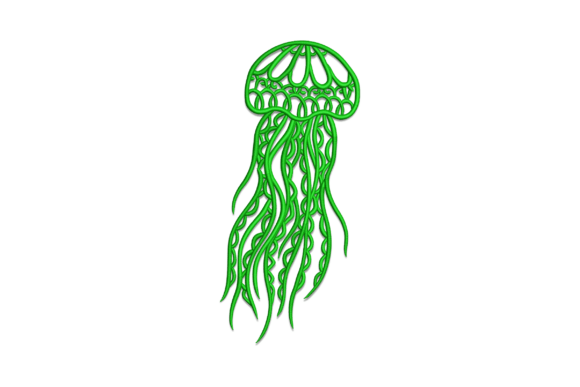
When I first saw the Jelly Fish machine embroidery design, it immediately brought a sense of playful curiosity to mind. The shape is fluid and organic, with soft curves that mimic the gentle movement of a jellyfish drifting through water. It feels light, whimsical, and perfect for projects that want to add a touch of fun without being too over-the-top.
The visual personality of this design is very much in line with what you'd expect from a sea-themed piece. It has a clear layout with a central focus on the jellyfish body and trailing tentacles, making it easy to recognize even when viewed from a distance. The level of detail is just right—enough to give it character but not so dense that it becomes overwhelming or difficult to stitch.
How Jelly Fish Performs in Real Projects
Let’s imagine a scenario where I’m preparing a custom embroidered tote bag for a small shop. The Jelly Fish design would be an excellent choice here. Its size and layout make it ideal for a medium-sized hoop, and its placement on a tote bag could easily become a conversation starter. The fabric texture isn't an issue since the design doesn’t require extremely fine details, which makes it suitable for most common tote materials.
I can also see this design working well on sweatshirts, t-shirts, and even baby clothes. For example, a child's onesie with a Jelly Fish embroidered on the front would be both adorable and eye-catching. The design’s simplicity allows it to blend seamlessly into a variety of styles, from casual to boutique-inspired.
For those selling handmade products, this design adds a unique flair that sets their items apart. It could be used as an embroidered patch on aprons, pillow covers, or even kitchen towels. In commercial embroidery settings, it could serve as part of a larger branding scheme or be sold as a standalone digital embroidery file for other crafters to use in their own projects.
Where to Use Jelly Fish with Caution
While the Jelly Fish design is versatile, there are some situations where extra care should be taken. On smaller hoop sizes, the design may lose some of its visual impact, especially if the jellyfish’s tentacles get cut off or appear cramped. Textured fabrics like canvas or burlap might affect the smoothness of the stitches, so using the right stabilizer is key.
If you're planning to use this design on stretchy fabrics such as knits or spandex, be sure to test it first. Stretchy materials can cause distortion, particularly in areas with high stitch density. Dark-colored fabrics will also require careful consideration of thread colors to ensure good visibility and contrast.
Additionally, if you plan to place the Jelly Fish on curved surfaces like caps or hats, it’s important to review the design’s proportions and adjust them if necessary. Tiny lettering or intricate details in the design may not show up clearly after stitching, especially if they’re not reinforced with proper techniques.
Design Impact and Practical Considerations
The Jelly Fish design enhances the visual appeal of any project it's placed on. Its clean lines and recognizable form help elevate the finished product, whether it's a personalized gift or a commercial item. From a customer's perspective, it adds a sense of charm and creativity that can increase engagement and trust in the handmade presentation.
For Etsy sellers or small shop owners, this design could be a valuable addition to their product line. It offers versatility across different categories, from holiday gifts to nursery decor, and can be adapted to fit various themes or occasions. It also helps maintain brand consistency if used repeatedly in a cohesive way across multiple items.
Before using Jelly Fish in any real project, I recommend testing it on scrap fabric first. This allows you to check how the thread colors contrast with your chosen fabric and confirm the stitch density. Reviewing the design in black and white mockups can also help identify any potential issues before committing to a final product.
Make sure to use proper stabilizer, especially when working with thin or stretchy fabrics. Always inspect small details and consider how the design will look on both light and dark backgrounds. If you're planning to sell finished items or digital embroidery files, confirm the licensing terms to avoid any legal complications later on.
Final Thoughts on Jelly Fish
In summary, the Jelly Fish machine embroidery design is a delightful and practical choice for a wide range of embroidery projects. Whether you're a hobbyist looking to create personalized gifts or a professional designer developing new product lines, this design brings a fresh and engaging element to any fabric it touches.
With thoughtful preparation and attention to detail, Jelly Fish can transform ordinary items into standout pieces that customers will love. It's a great example of how a simple, well-designed embroidery file can make a big difference in the world of handmade and custom goods.